


Vitamin E
- Latin Name: α-Tocopherol
- Common Name: Vitamin E
- Family: Tocopherols
- Source: Naturally found in foods or produced synthetically for use in supplements.
What is Vitamin E?
Vitamin E is a fat-soluble antioxidant that protects cells from free radical damage, helping slow aging and reduce health risks. It supports healthy skin, eyes, and immune function. Because our bodies don’t produce Vitamin E, we must get it from food or supplements to maintain optimal health.
Vitamin E Benefits
Immune Support
By supporting immune cell function, Vitamin E supports the body's ability to fight infections and recover from illness more efficiently. Its antioxidant properties help protect immune cells from damage, ensuring a more resilient immune response, especially important as we age.
Hormone Balance
Vitamin E is thought to help regulate hormones, which may improve energy levels, support reproductive health, and maintain stable moods, particularly during menopause or times of hormonal change. This balancing effect can also assist in reducing symptoms like fatigue and skin changes associated with hormonal fluctuations.
Heart Health
Vitamin E may support cardiovascular health by protecting LDL cholesterol from oxidation, which can help maintain healthy blood vessels and reduce the risk of heart issues. Additionally, its role in improving blood flow supports vascular health, which is key to overall heart function.
Vision Support
It protects eye cells from oxidative stress, which can be beneficial for long-term eye health and may reduce the risk of age-related vision issues.
Immune Support
Hormone Balance
Heart Health
Vision Support
What Is Vitamin E Good for Skin?
Vitamin E for Scars
Vitamin E promotes healing and softens scar tissue, which may make scars appear smoother and less visible over time.
Vitamin E for Lips
Its moisturizing properties make it effective for keeping lips soft and hydrated, helping to soothe dry or chapped lips.
Vitamin E and Skin Whitening
Vitamin E can help even skin tone by reducing the appearance of dark spots and discoloration, making it popular in brightening products.
Vitamin E for Burns
It provides soothing relief and supports skin regeneration, making it useful for minor burns.
Vitamin E for Stretch Marks
By supporting skin elasticity, Vitamin E may help reduce the visibility of stretch marks, softening the appearance of these lines over time.
Vitamin E for Scars
Vitamin E for Lips
Vitamin E and Skin Whitening
Vitamin E for Burns
Vitamin E for Stretch Marks
PureHealth Research Products with Vitamin E

Marine Collagen Booster
Skin | Hair | Nail | Joint Health
Marine Collagen Booster is a powerful blend of 4 ingredients designed to boost collagen production and support skin, hair, nails, and joints. This supplement also helps protect against environmental stressors and improve overall skin health.
Subscribe & Save 10%
Shop Now
Acne Clear Formula
Protect | Repair Damaged Skin
Acne Clear formula contains 11 research-backed ingredients designed to combat acne outbreaks. This powerful blend helps balance hormones, optimize liver function, protect and repair damaged skin, reduce stress, inflammation, and excessive oil production.
Subscribe & Save 10%
Shop Now
Dermal Relief
Skin Calmness | Protection
Dermal Relief contains 7 research-backed ingredients designed to support skin health, reduce itchiness, promotes skin barrier, balance skin pH and regulate immune responses. Additionally, it improves the skin's resistance to harmful microbes.
Subscribe & Save 10%
Shop Now
Dermal Restore
Skin Elasticity | Protection | Repair
Dermal Restore contains 10 research-backed ingredients that help revitalize your skin, enhance elasticity, reduce fine lines and wrinkles, and shield against UV damage. It also, calms redness, accelerates repair, and promotes soft, smooth skin.
Subscribe & Save 10%
Shop Now
Complete Vision Formula
Clarity | Focus | Protection
Complete Vision Formula delivers 8 research-backed ingredients that promote clear vision, enhance visual acuity, and protect eye health. It also supports macular health, reduces eye strain, and improves night vision.
Subscribe & Save 10%
Shop Now
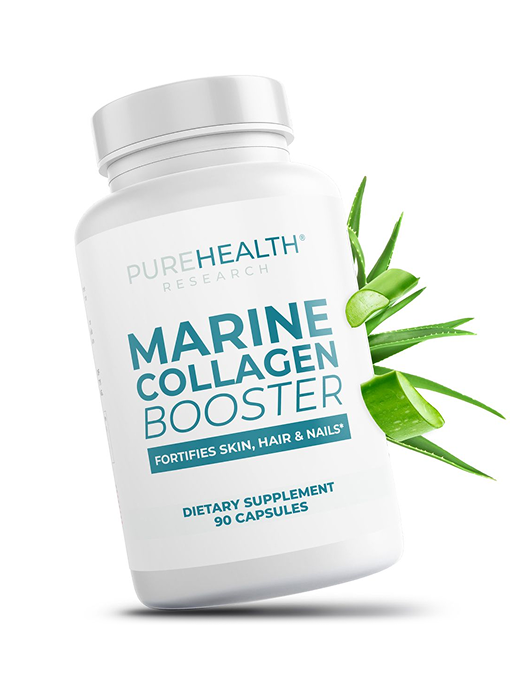
Marine Collagen Booster
Skin | Hair | Nail | Joint Health
Marine Collagen Booster is a powerful blend of 4 ingredients designed to boost collagen production and support skin, hair, nails, and joints. This supplement also helps protect against environmental stressors and improve overall skin health.
 Subscribe & Save 10%
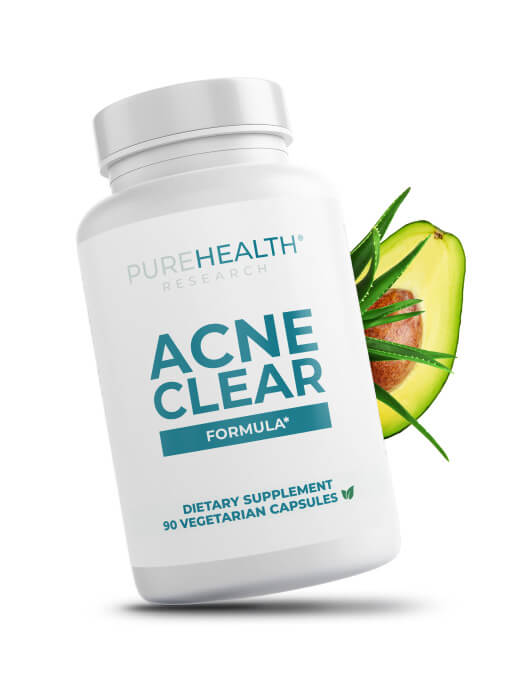
Acne Clear Formula
Protect | Repair Damaged Skin
Acne Clear formula contains 11 research-backed ingredients designed to combat acne outbreaks. This powerful blend helps balance hormones, optimize liver function, protect and repair damaged skin, reduce stress, inflammation, and excessive oil production.
Subscribe & Save 10%
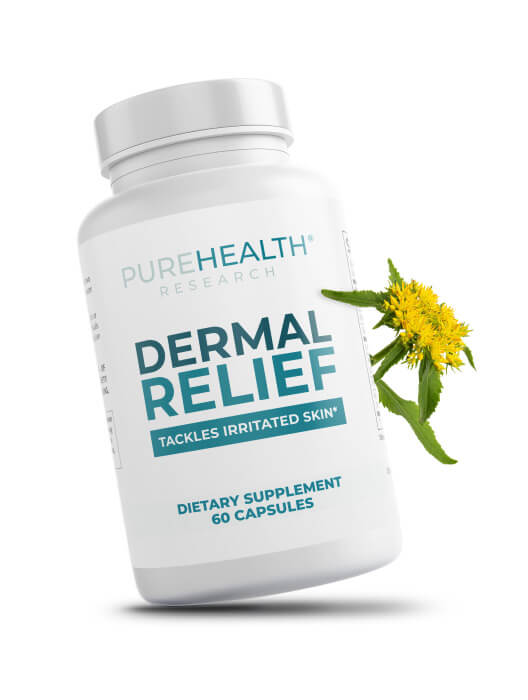
Dermal Relief
Skin Calmness | Protection
Dermal Relief contains 7 research-backed ingredients designed to support skin health, reduce itchiness, promotes skin barrier, balance skin pH and regulate immune responses. Additionally, it improves the skin's resistance to harmful microbes.
Subscribe & Save 10%
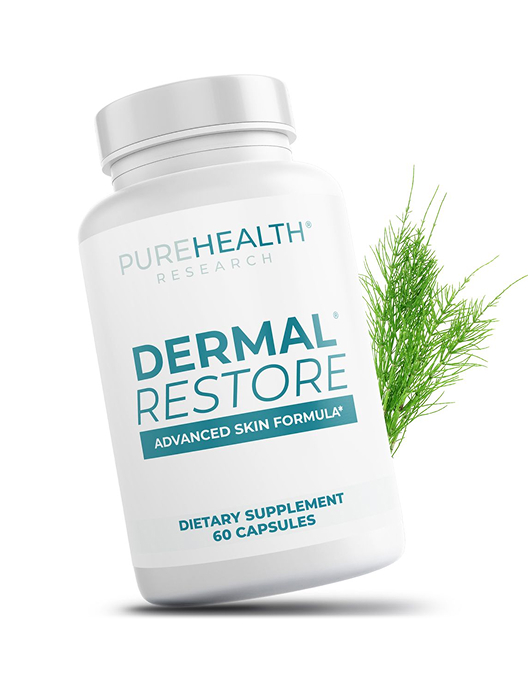
Dermal Restore
Skin Elasticity | Protection | Repair
Dermal Restore contains 10 research-backed ingredients that help revitalize your skin, enhance elasticity, reduce fine lines and wrinkles, and shield against UV damage. It also, calms redness, accelerates repair, and promotes soft, smooth skin.
Subscribe & Save 10%
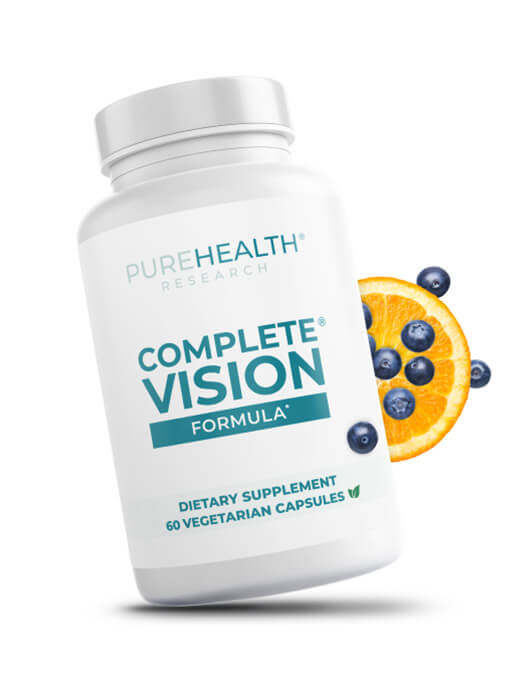
Complete Vision Formula
Clarity | Focus | Protection
Complete Vision Formula delivers 8 research-backed ingredients that promote clear vision, enhance visual acuity, and protect eye health. It also supports macular health, reduces eye strain, and improves night vision.
Subscribe & Save 10%
Vitamin E Dosage
Age
Males (mg)
Females (mg)
Pregnancy (mg)
Lactation (mg)
0-6 months*
4
4
-
-
7-12 months
5
5
-
-
1-3 years
6
6
-
-
4-8 years
7
7
-
-
9-13 years
11
11
-
-
14+ years
15
15
15
15
| Age | Males (mg) | Females (mg) | Pregnancy (mg) | Lactation (mg) |
|---|---|---|---|---|
| 0-6 months* | 4 | 4 | - | - |
| 7-12 months | 5 | 5 | - | - |
| 1-3 years | 6 | 6 | - | - |
| 4-8 years | 7 | 7 | - | - |
| 9-13 years | 11 | 11 | - | - |
| 14+ years | 15 | 15 | 15 | 15 |
Note: Most adults need about 15 milligrams of Vitamin E daily. If you 're taking supplements, it's important to know how much Vitamin E is too much. Taking more than 1,000 milligrams per day can be harmful and lead to health problems. It’s always advisable to consult your healthcare provider to find the right dosage for you.
Interaction with Other Ingredients
Vitamin E can interact with certain drugs, herbs, and supplements, potentially affecting their effectiveness or causing side effects. Here are some possible interactions:
- Anticoagulants and anti-platelet drugs - Combining vitamin E with blood-thinning medications or supplements may increase the risk of bleeding.
- Vitamin K - Vitamin E could interfere with vitamin K, potentially decreasing its blood-clotting effects.
- Cytochrome P450 (CYP3A4) substrates - Vitamin E may interact with medications processed by these enzymes, such as omeprazole.
- Vitamin C - When taken together, vitamin E and vitamin C may enhance each other’s antioxidant effects, but high doses should be balanced to avoid over-supplementation.
Foods High in Vitamin E
To get enough Vitamin E naturally, include these foods in your diet:
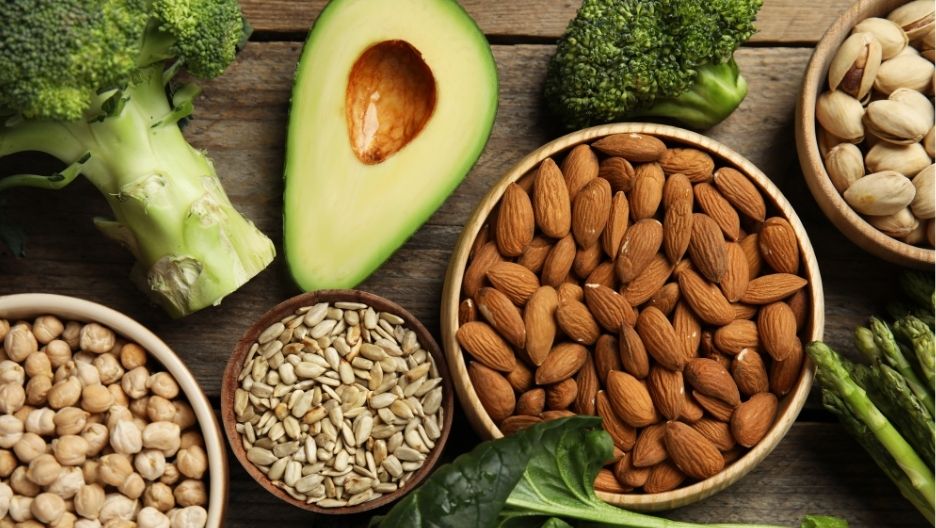
- Almonds and Sunflower Seeds
- Spinach and Kale
- Avocados
- Sunflower and Safflower Oils
- Peanuts and Hazelnuts
Side Effects
Vitamin E is safe for most people when taken in the recommended amounts. However, taking too much can cause side effects like nausea, diarrhea, or stomach discomfort. High doses may also thin the blood, which can increase the risk of bleeding, especially if you take blood-thinning medications.
In rare cases, some people may feel tired, develop a mild rash, or have blurry vision. To avoid these issues, stick to the suggested dose and talk to your doctor before starting any supplement. This is especially important if you have existing health conditions. Moderation helps you enjoy Vitamin E safely.
FAQ
References
Is Vitamin E Good for Hair?
Yes, vitamin E is good for hair. It promotes scalp health by improving circulation, supports hair growth, and helps prevent breakage by maintaining moisture. Its antioxidant properties also protect hair from damage caused by free radicals and environmental stressors.
Does Vitamin E Help With Acne?
Yes, vitamin E may help with acne by reducing pro-inflammatory activity and promoting skin healing. Its antioxidant properties protect skin cells from damage, while its ability to reduce redness and irritation can improve the appearance of acne-prone skin.
Does Vitamin E Help With Hot Flashes?
Yes, vitamin E for hot flashes may help reduce their frequency and intensity, offering relief for women during menopause. Its antioxidant properties can support hormone balance, providing a natural option for managing some symptoms associated with menopause.
Is Vitamin E Ok for Heart Patients?
Yes, vitamin E is generally safe for heart patients when taken in recommended amounts. However, high doses may interfere with blood thinners or increase bleeding risk, so it’s important to consult a healthcare provider before starting supplementation.